
Explain AI before investing in it.
Plain-language notes for leaders who need to decide where AI belongs in real operations: agents, workflow data, software strategy, and scaling without extra coordination cost.
Practical AI topics for operators
Each article explains when the idea is useful, where it fails, and what a business should check before investing.

AI-AGENTIC is the brain that turns 7 technologies into one machine
The autonomous decision-maker that coordinates BPM, ECM, RPA, OCR, Agentic RAG, and AI-MEMORY into one system.

Without memory, an AI agent is guessing every single time
Why AI-MEMORY's layered, organized storage is what gives a stateless language model real persistent context.

Agentic RAG plans, searches, and checks itself before answering
How a plan-search-evaluate-refine loop replaces one-shot retrieval for questions that need real synthesis.

OCR is the system's eyes, IDP is what lets it actually read
Why raw OCR output needs a confidence-scoring trust layer before an AI agent can safely act on it.

RPA is the hands, not the brain
Why robotic process automation still earns its place as the fast, cheap execution layer next to AI agents.

ECM is the trusted archive every AI decision points back to
How a governed content repository becomes the evidence layer behind every AI agent decision.

BPM is the orchestration layer, not just approval flows
Why BPM is the coordination substrate that every other digital-transformation technology plugs into.

Agentic AI is a work loop, not a smarter chatbot
Understand the plan-act-observe loop in business language, and where tool-using AI creates real operating value.

What office agents mean for customer and operations teams
Look beyond chat quality and evaluate whether an agent can prepare real work with evidence, permissions, and escalation.

Moving from gut feeling to real-time data for decision making
Turn workflow events into one operating view so managers can see blockers, delays, and exceptions before they get expensive.
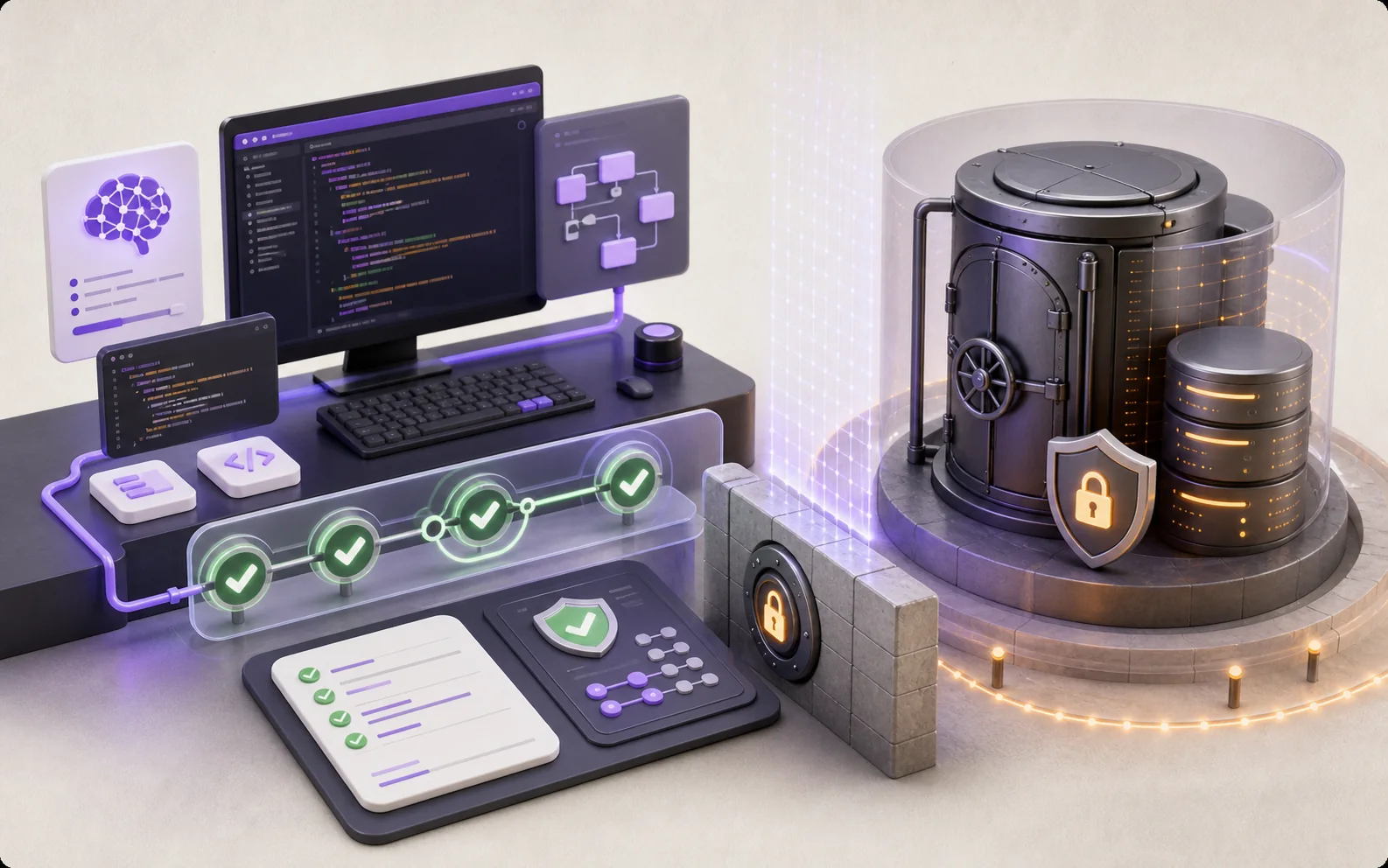
AI-built software vs off-the-shelf SaaS: when each makes sense
Use SaaS for commodity workflows and AI-built systems when company-specific roles, rules, and exceptions matter.
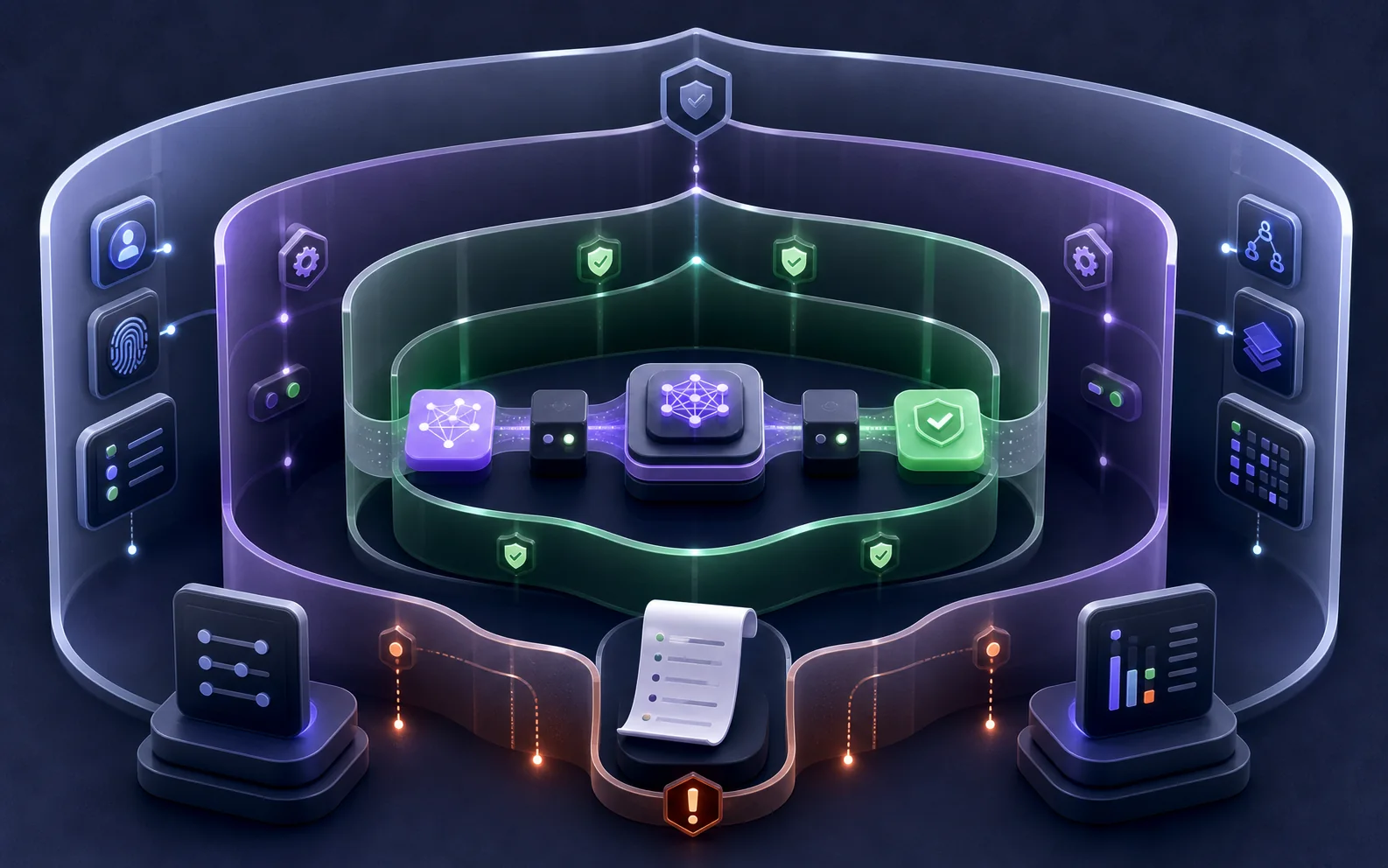
Scaling operations without adding coordination headcount
Identify where AI removes repeated administrative work while keeping human decisions, controls, and audit trails intact.