
Many SMEs grow by adding coordinators: one more person to chase approvals, one more person to update spreadsheets, one more person to reconcile data, one more person to prepare reports. That works temporarily, but it makes growth heavier.
The better target is operating leverage: the same team can handle more volume because requests are captured once, routed correctly, checked automatically, and reported without manual reconstruction.
Where coordination cost hides
Look for work that creates many small interruptions: "who approves this?", "is the file complete?", "where is the latest number?", "did finance receive it?", "which customer is blocked?", "who owns this exception?" Each question looks small. Across a company, they become a full-time operating tax.
What AI should do
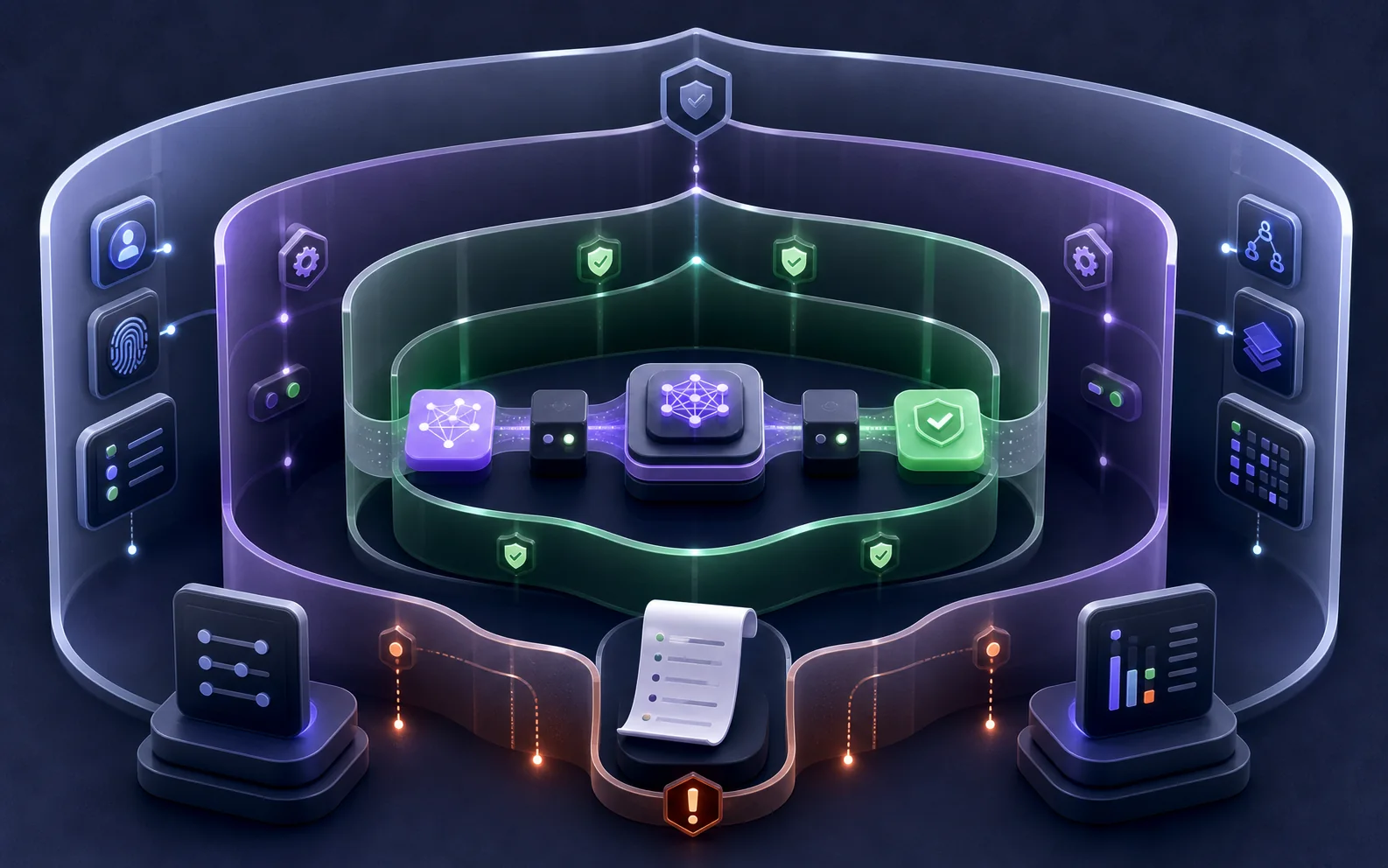
AI should prepare work so people can decide faster. It can classify requests, summarize context, detect missing fields, propose next actions, draft responses, create structured notes, and surface exceptions. It should not quietly make high-risk decisions without approval.
The highest-value design is often boring: strong intake forms, clear workflow states, rule-based routing, AI assistance for messy text, and dashboards that show what is stuck.
Measure leverage, not novelty
- Cycle time per request.
- Number of manual follow-ups per workflow.
- Exception rate and top exception reasons.
- Volume handled per operations employee.
- Rework caused by missing or incorrect information.
When not to automate yet
If nobody agrees on ownership, rules, or desired outcome, automation will only expose the confusion faster. Clarify the process first, then attach AI where it reduces repeated effort.