English
Most businesses already have integrations. The problem is that real data is not clean. Customer names differ across systems, product codes change, addresses are incomplete, spreadsheets contain manual overrides, and one system rejects an update that another system accepts.
An agentic middleware layer should not replace deterministic integration. It should sit around the messy parts where validation, explanation, and exception handling are needed.
Architecture pattern
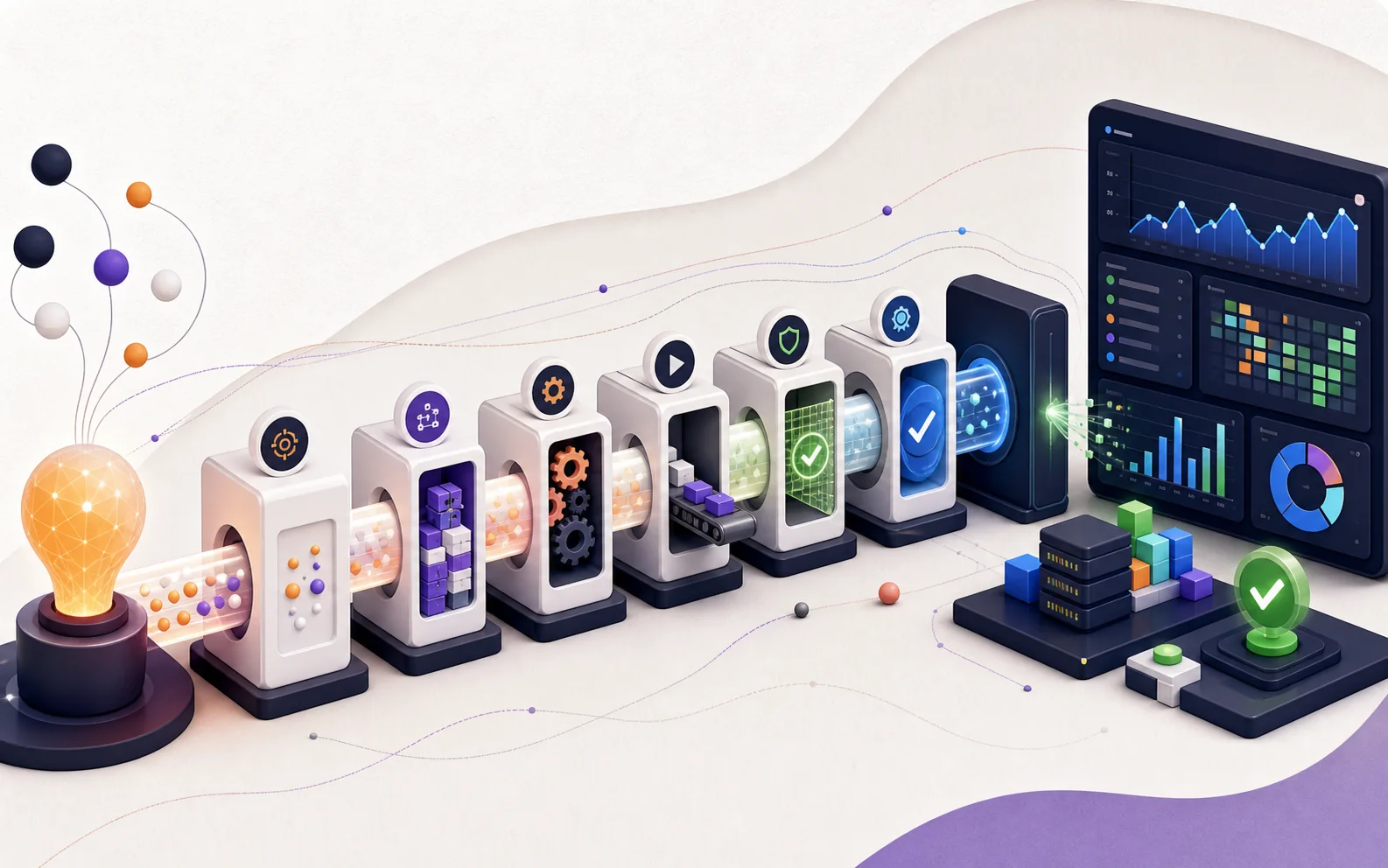
- Connectors read from source systems and write only through approved APIs.
- A canonical data model defines the business entity: customer, order, invoice, asset, employee, or ticket.
- Rules handle deterministic mapping and validation.
- AI proposes merges, fills context, explains conflicts, and prepares exception summaries.
- Humans approve risky merges, destructive updates, and policy exceptions.
Logs are the product
Every sync action should store source, target, payload, rule result, AI recommendation, human decision, retry count, and rollback path. Without this, the team cannot trust the middleware when something goes wrong.
Good first use cases
Customer record deduplication, order-to-invoice reconciliation, ecommerce-to-ERP product mapping, support ticket enrichment, HR profile synchronization, and asset register cleanup are good starting points because exceptions are common and expensive.
When to keep it simple
If a one-way sync is stable and the fields match cleanly, use a normal integration or iPaaS tool. Add agents only where the business needs reasoning, explanation, or controlled human review around messy data.
Tiếng Việt
Hầu hết doanh nghiệp đã có sẵn các tích hợp. Vấn đề là dữ liệu thực tế không sạch. Tên khách hàng khác nhau giữa các hệ thống, mã sản phẩm thay đổi, địa chỉ không đầy đủ, bảng tính chứa các ghi đè thủ công, và một hệ thống từ chối một cập nhật mà hệ thống khác lại chấp nhận.
Một lớp middleware dạng tác tử không nên thay thế tích hợp xác định. Nó nên nằm quanh những phần lộn xộn cần kiểm chứng, giải thích, và xử lý ngoại lệ.
Mẫu kiến trúc
- Connector đọc từ hệ thống nguồn và chỉ ghi qua các API đã được duyệt.
- Một mô hình dữ liệu chuẩn định nghĩa thực thể nghiệp vụ: khách hàng, đơn hàng, hóa đơn, tài sản, nhân viên, hoặc ticket.
- Các quy tắc xử lý ánh xạ và kiểm chứng xác định.
- AI đề xuất hợp nhất, bổ sung bối cảnh, giải thích xung đột, và chuẩn bị tóm tắt ngoại lệ.
- Con người phê duyệt các hợp nhất rủi ro, cập nhật có tính phá hủy, và ngoại lệ chính sách.
Nhật ký chính là sản phẩm
Mỗi hành động đồng bộ nên lưu nguồn, đích, payload, kết quả quy tắc, đề xuất của AI, quyết định của con người, số lần thử lại, và đường hoàn tác. Không có điều này, đội ngũ không thể tin tưởng middleware khi có sự cố xảy ra.
Trường hợp sử dụng đầu tiên tốt
Loại bỏ trùng lặp hồ sơ khách hàng, đối chiếu đơn hàng với hóa đơn, ánh xạ sản phẩm từ ecommerce sang ERP, làm giàu ticket hỗ trợ, đồng bộ hồ sơ HR, và dọn dẹp sổ tài sản là những điểm khởi đầu tốt vì các ngoại lệ vừa phổ biến vừa tốn kém.
Khi nào nên giữ đơn giản
Nếu một đồng bộ một chiều ổn định và các trường khớp sạch sẽ, hãy dùng một công cụ tích hợp hoặc iPaaS thông thường. Chỉ thêm tác tử khi doanh nghiệp cần suy luận, giải thích, hoặc xem xét thủ công có kiểm soát quanh dữ liệu lộn xộn.